5 Signs You Need a Dental Check-Up
Staying on top of your dental visits is one of the simplest ways to protect your long-term oral health. Many problems start small and only become painful or costly when left unattended. If any of the signs below sound familiar, it might be time to book your next check-up.
1. Tooth Sensitivity
If hot, cold, sweet, or acidic foods make you wince, your teeth may be trying to tell you something. Sensitivity can come from:
Early decay
Worn or thinning enamel
Gum recession that exposes the root
Small cracks in the tooth
Ask yourself:
Have I started avoiding certain foods because of discomfort?
Has the sensitivity been getting worse?Even mild sensitivity is worth checking—it often points to changes that are easier to treat early.
2. Bleeding Gums
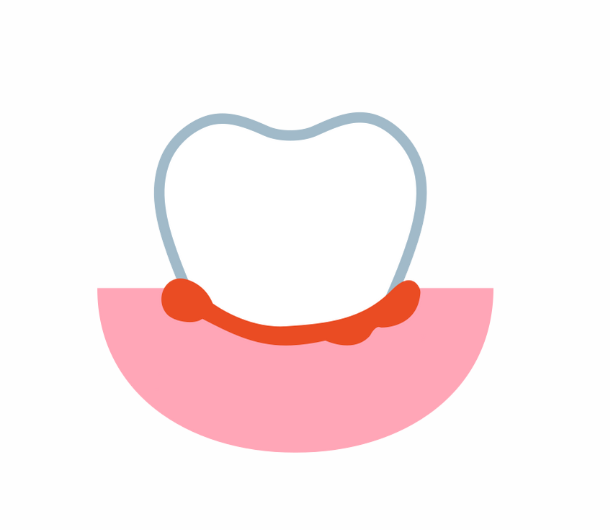
Healthy gums don’t bleed during brushing or flossing. If they do, it could be a sign of:
Early gum disease (gingivitis)
Plaque or tartar build-up
Brushing too hard or using the wrong technique
Ask yourself:
Do my gums bleed most days, or just occasionally?
Are they looking more red, swollen, or tender than usual?
Gum disease is very treatable when caught early, but it won’t improve on its own.
3. It’s Been More Than 6 Months Since Your Last Clean
Even if your mouth feels fine, regular cleans reach areas your toothbrush can’t. Skipping or delaying your check-ups puts you at risk of:
Tartar that hardens over time
Cavities that go unnoticed
Early gum inflammation
Stains that become harder to remove
Ask yourself:
When was my last dental visit?
Have I postponed any appointments this year?
Routine check-ups save you time, discomfort, and money in the long run.
4. Persistent Bad Breath
Ongoing bad breath isn’t just a social concern—it can be a sign of a dental problem such as:
Hidden decay
Gum infection
Bacteria trapped under the gums
Dry mouth
Sinus or tonsil issues
Ask yourself:
Does my breath still smell even after brushing or rinsing?
Has someone mentioned it to me recently?
Persistent bad breath usually has an underlying cause that needs attention.
5. Changes in Your Mouth
Your mouth often shows early signs of issues that shouldn’t be ignored. Look out for:
Sores that don’t heal within 1–2 weeks
New lumps, bumps, or rough patches
Cracked or chipped teeth
Jaw pain, clicking, or stiffness
Changes in the colour or texture of gums and cheeks
Ask yourself:
Have I noticed something new or unusual lately?
Has something felt “off” for a while?
Even small changes can be important—getting them checked gives peace of mind.
Don’t Wait for Pain — Early Care Is the Best Care
Pain is usually a late sign that something isn’t right. Regular check-ups help catch concerns early, keep your smile healthy, and prevent problems before they start.
Ready to book your next visit?
We’re here to help you stay on top of your oral health!